
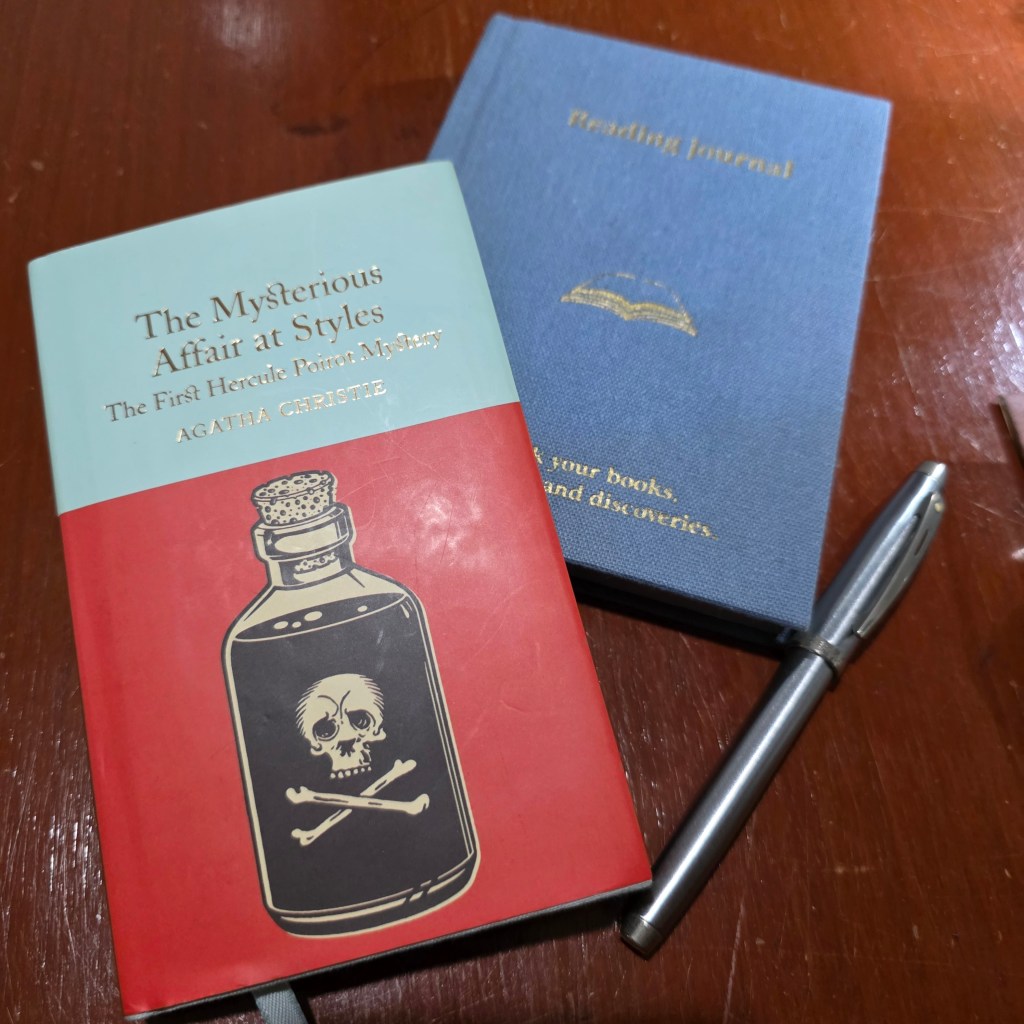
I didn’t plan 2025.
At least, not properly. In my to-be 40th year, I was still living with the motto – The plan is no plan!
I entered the year with lists, yes — projects, deadlines, exhibitions, classes to teach, students to shepherd across finish lines. But somewhere between January’s intentions and December’s quiet, the year stopped asking me to plan and started asking me to notice.
Notice what stayed.
Notice what tired me.
Notice what softened me in ways I didn’t expect.
This was a year of studios and classrooms, of exhibitions and grad shows, of late nights that didn’t feel lonely and early mornings that felt earned. A year where creativity stopped being just output and started becoming conversation — with students, with colleagues, with myself.
Teaching in 2025 felt different. Not louder. Not bigger. Just sharper.
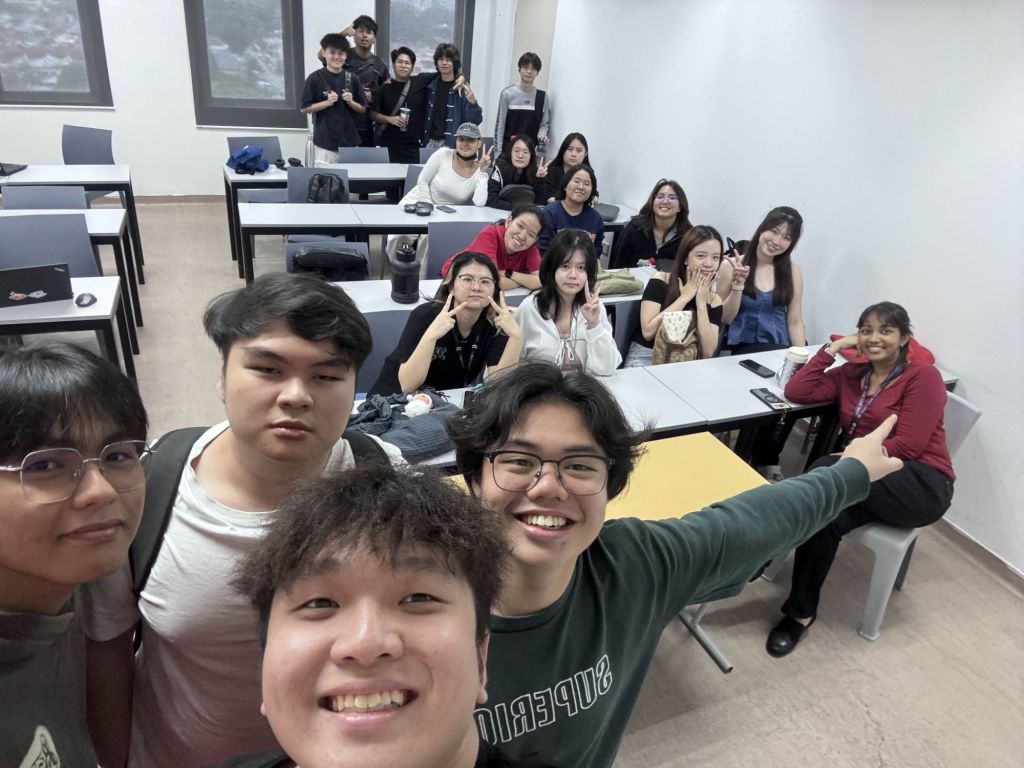
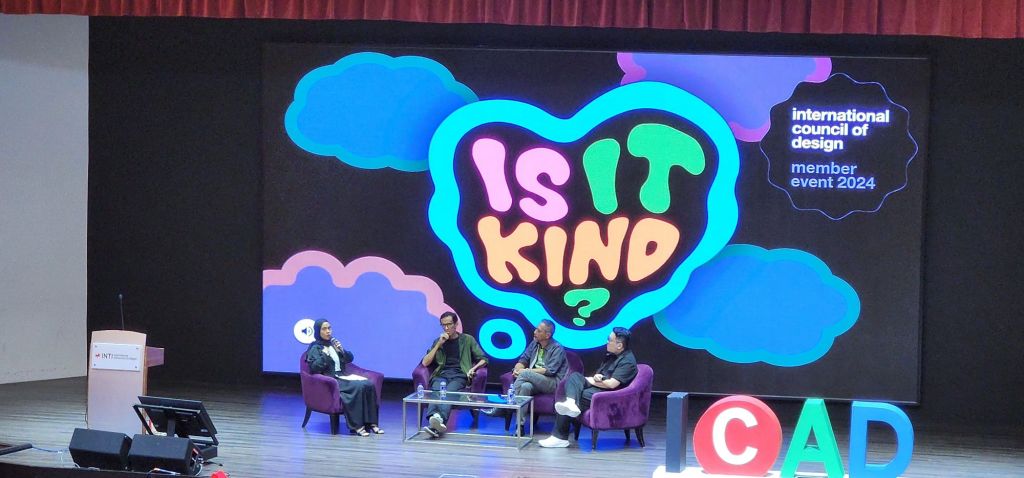
AI entered the room — casually at first, then decisively — and instead of disrupting everything, it exposed everything. How we think. How we decide. How much we rely on habit instead of intention. The conversations weren’t about tools anymore; they were about judgement. About authorship. About why we make anything at all.
What surprised me most was this:
- The more automated things became, the more human teaching felt.
- Students didn’t need faster tools. They needed better questions.
And I found myself returning, again and again, to the same quiet insistence:
Slow down. Think. Choose.
Outside the classroom, 2025 unfolded like a collage.
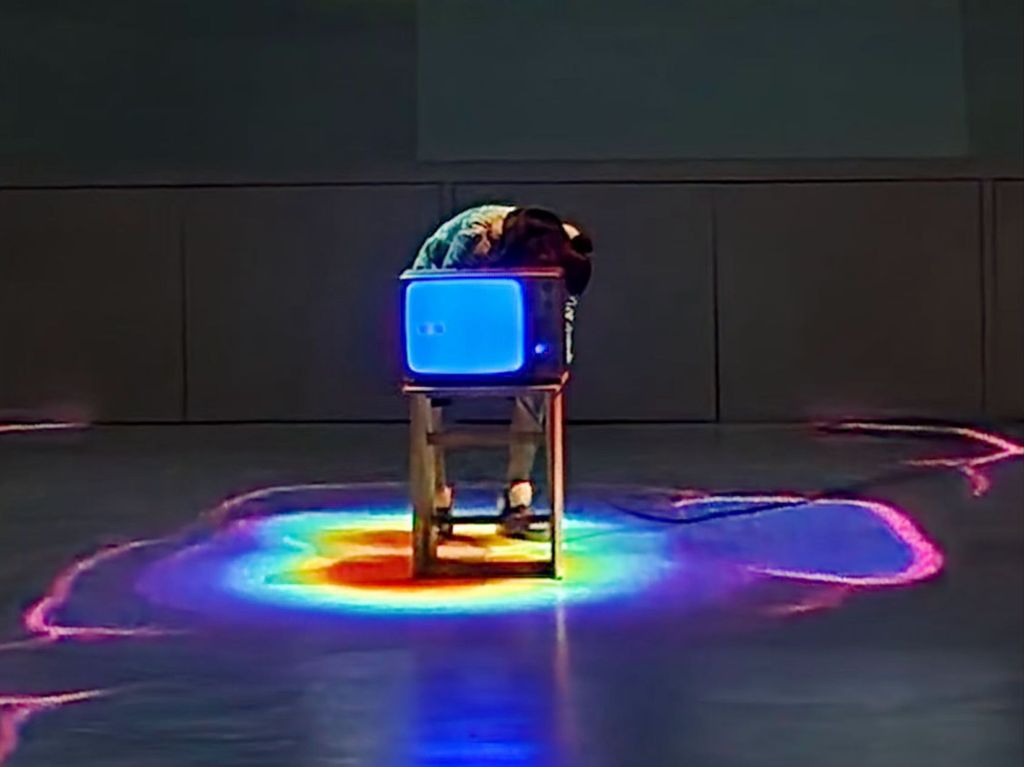
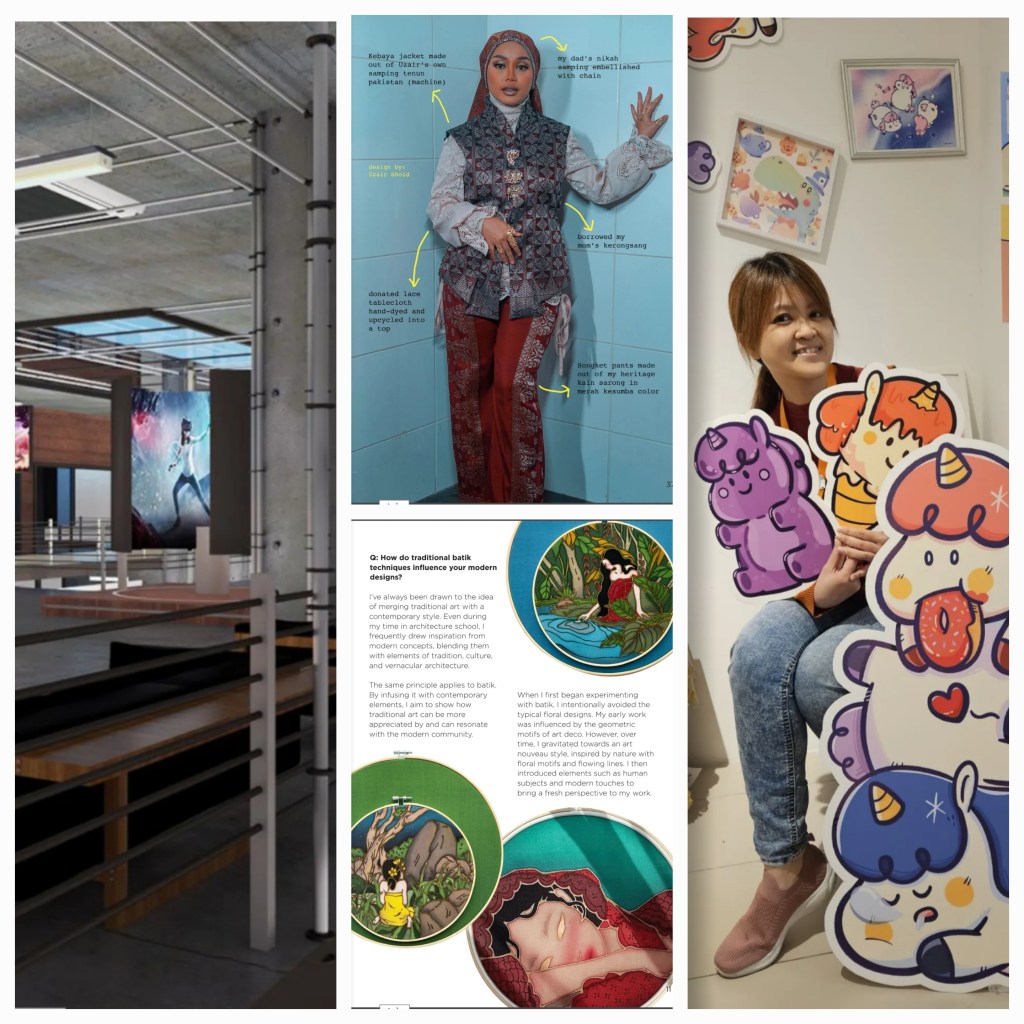
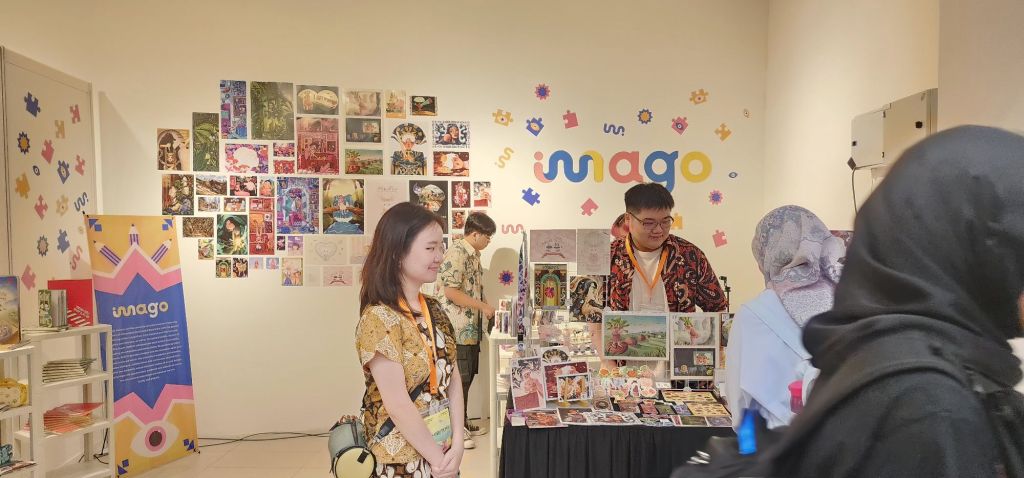
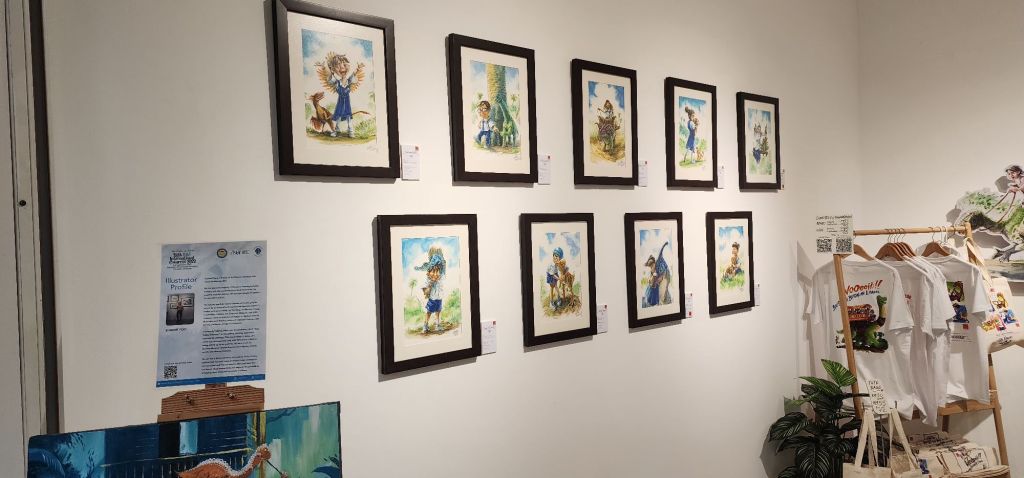
There were exhibitions that reminded me why tactility matters. Why intuition still deserves space before explanation. There were graduate shows buzzing with nervous pride and raw honesty — students standing beside work that carried months of doubt, risk, and stubborn belief.
There were places that felt like punctuation marks in the year.
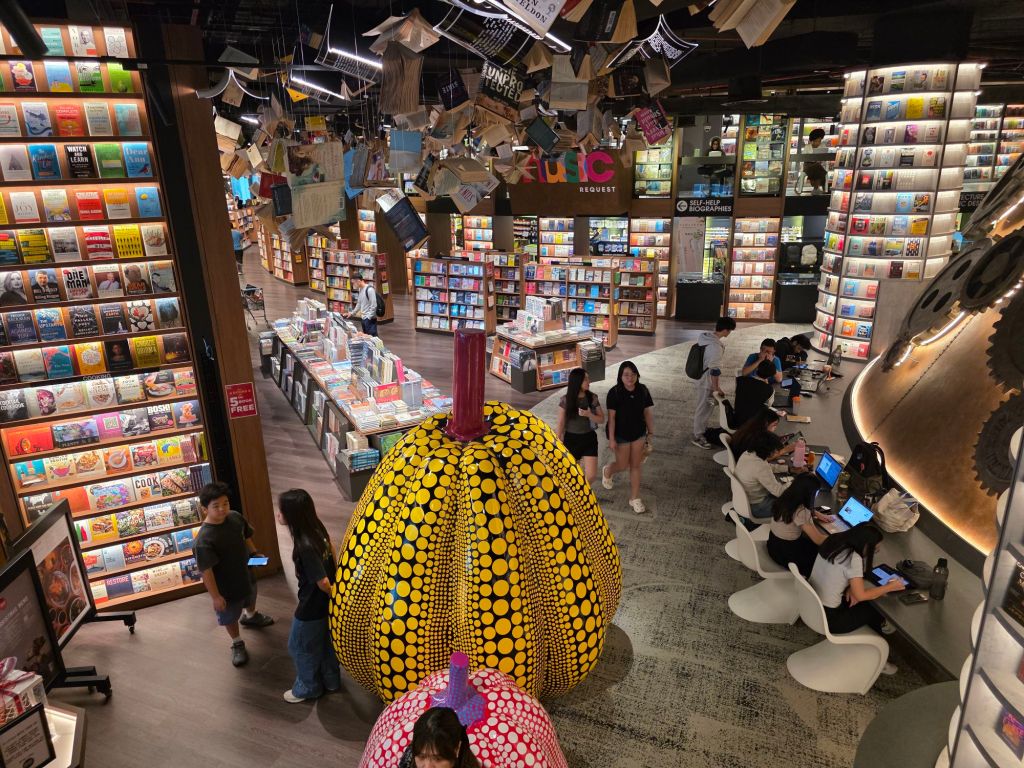
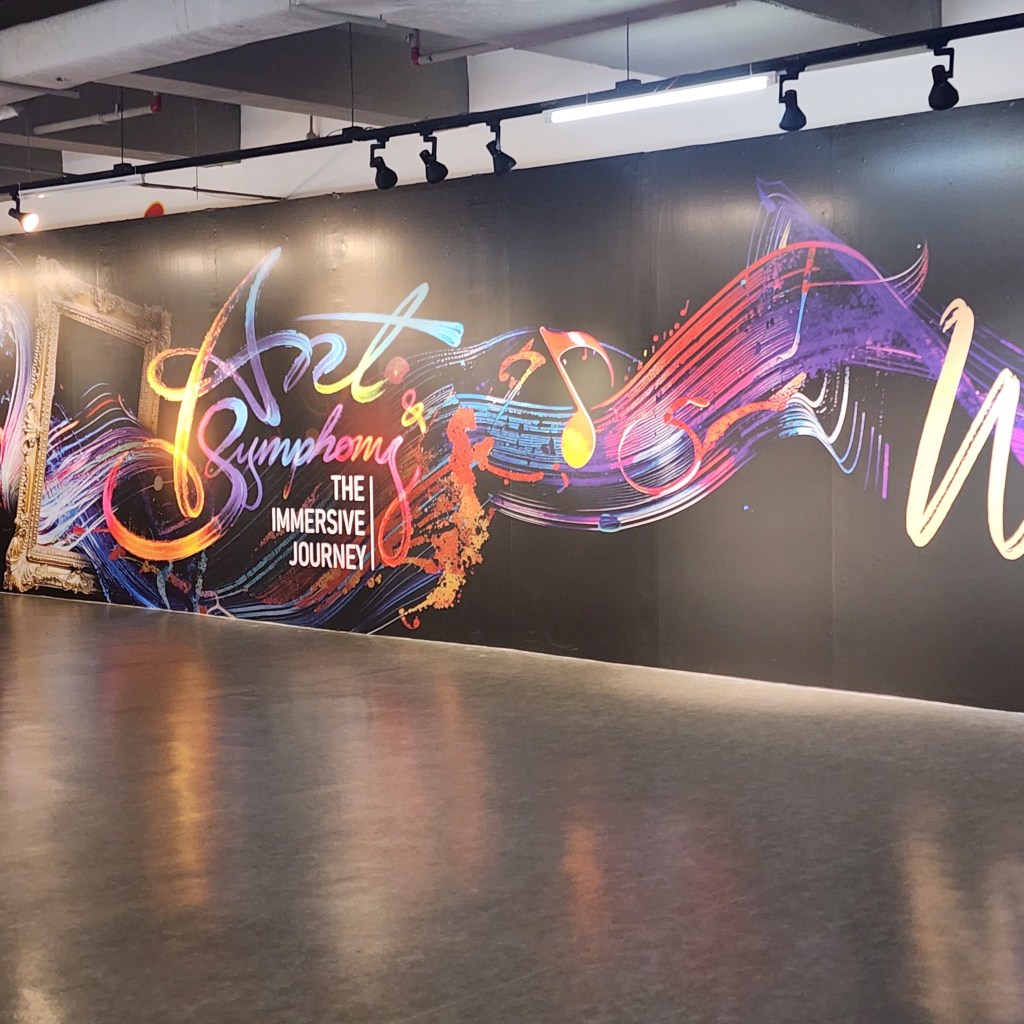
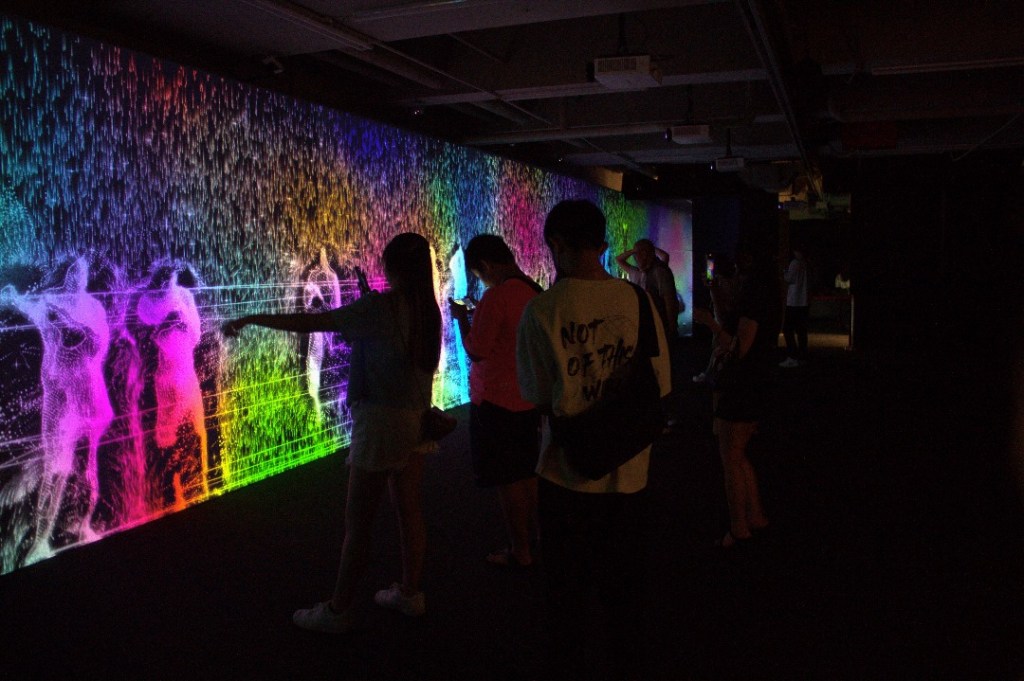
A library that never sleeps. A gallery that asked for touch instead of distance. Studios that smelled like paper, glue, coffee, and ambition. These weren’t just venues — they were moods. They held time differently.
Personally, I felt myself shifting.
Not dramatically. Not with declarations.
But in the way I listened more than I spoke.
In how I chose depth over speed.
In how I allowed unfinished ideas to sit without panicking.
I stopped needing everything to resolve immediately.
I started trusting process — again.
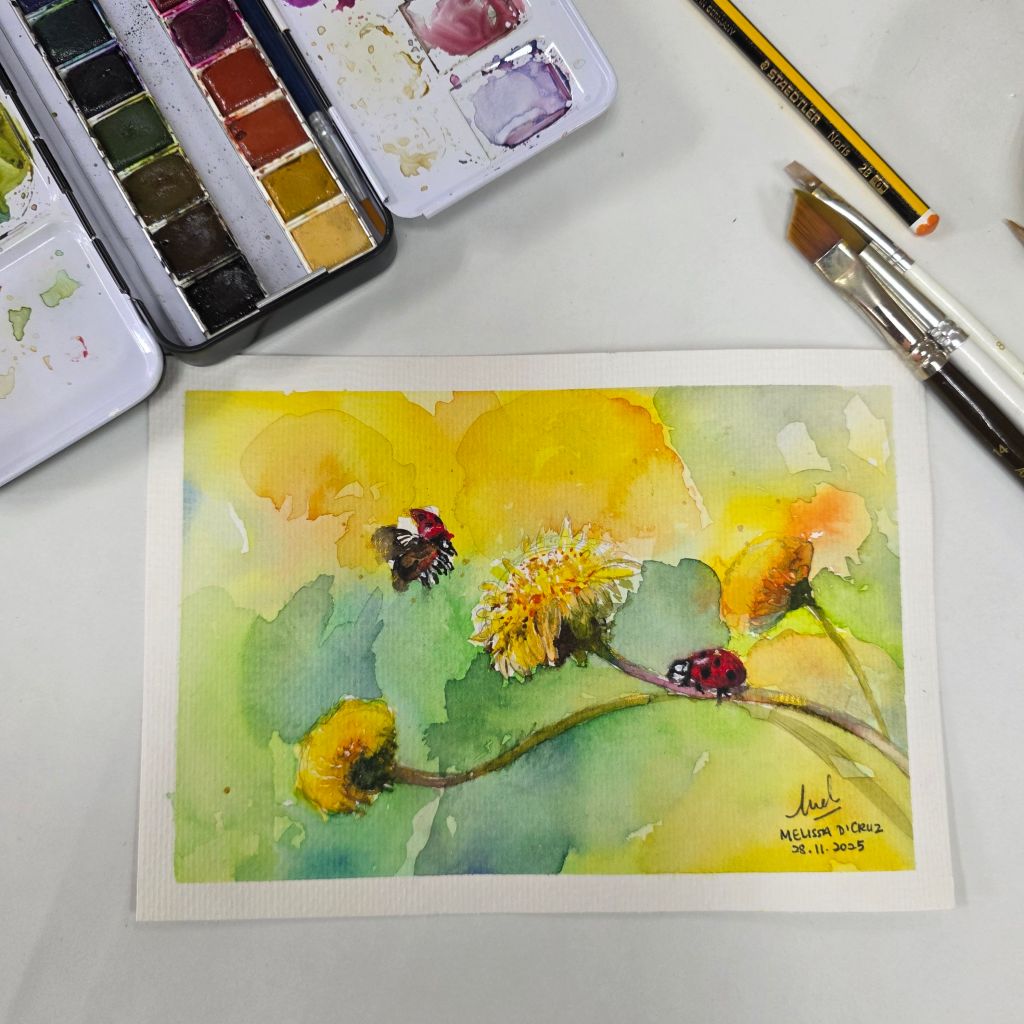
There were moments of exhaustion, yes. Of questioning. Of wondering if I was doing enough, or too much, or the wrong things entirely. But there was also an undercurrent of steadiness — the kind that comes from alignment rather than certainty.
If 2024 was about building,
2025 was about inhabiting.
Inhabiting roles.
Inhabiting questions.
Inhabiting the in-between spaces where learning actually happens.
And perhaps that’s what I’ll remember most about this year — not the milestones, but the moments of quiet clarity. The conversations that lingered. The projects that didn’t shout but stayed.
2025 didn’t hand me answers.
It handed me better instincts.
And as 2025 closed, I don’t feel the urge to rush ahead. I feel the rare, satisfying sense of being here — reflective, curious, a little tired, and deeply grateful.
If the 2026 asks anything of me, I hope it’s this:
- To keep designing with intent.
- To keep teaching with empathy.
- To keep choosing meaning over momentum.
And to remember that not every year needs a grand thesis.
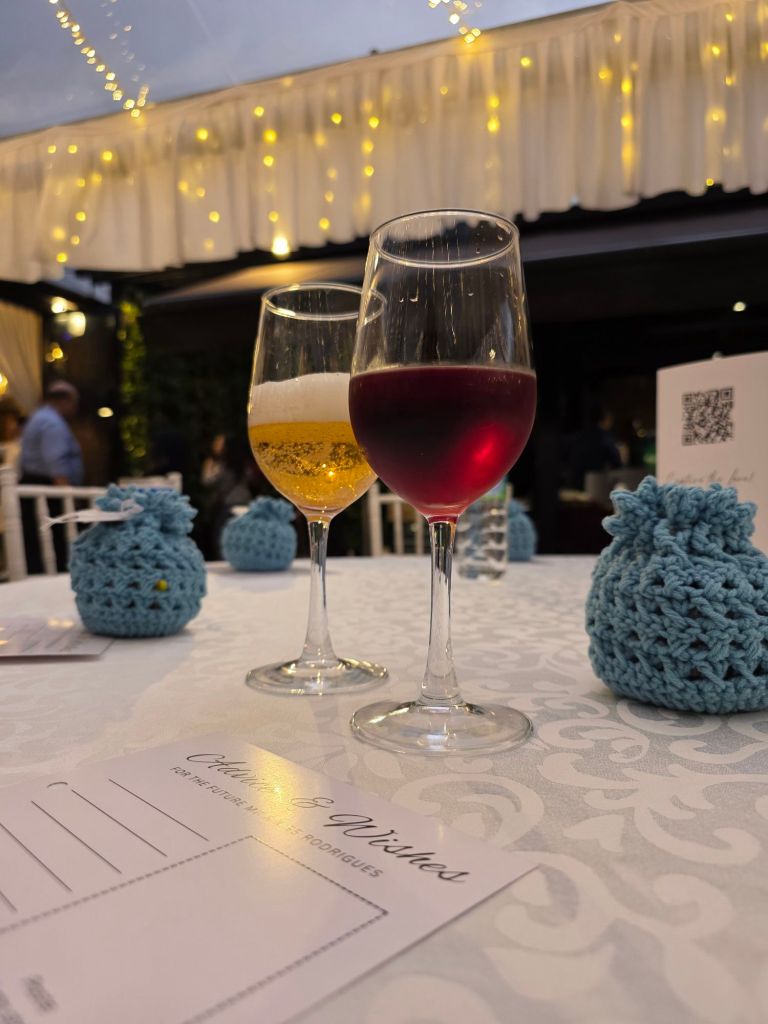
Some years are simply chapters that teach you how to read your own life more carefully.






 Beamuse Designs